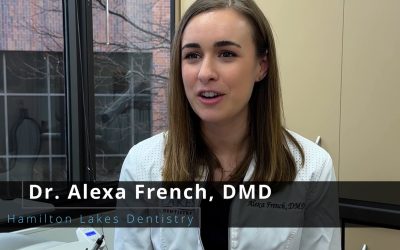
For patients diagnosed with obstructive sleep apnea (OSA), the continuous positive airway pressure (CPAP) machine has long been considered the gold standard treatment. But for many, the reality of CPAP is more complicated—mask discomfort, noise, claustrophobia, and difficulty traveling with the equipment lead nearly half of prescribed patients to abandon treatment within the first year. At Hamilton Lakes Dentistry, we help Itasca-area patients explore a proven alternative: custom mandibular advancement appliances (MAAs) that treat sleep apnea without the mask, machine, or noise.
The question many patients ask is whether an MAA can truly replace CPAP. The answer depends on several factors, including the severity of your sleep apnea, your anatomy, and your treatment goals. For some patients, an oral appliance becomes their primary treatment. For others, it serves as a backup or travel companion. This guide explores the evidence, helps you understand your options, and provides the information you need to have an informed conversation with your sleep physician and dentist. For a deeper understanding of how oral appliances work, explore our comprehensive guide on airway dentistry and mandibular advancement appliances.
Table of Contents
How CPAP Works | How MAAs Work | Effectiveness Comparison | When MAA Can Replace CPAP | Combination Therapy | Making the Decision | FAQs
Key Takeaways
- CPAP is highly effective but has low compliance. Up to 50% of patients abandon CPAP within the first year due to discomfort, noise, and claustrophobia.
- MAAs are proven effective for mild to moderate OSA. Clinical studies show oral appliances significantly reduce apnea-hypopnea index (AHI) scores in appropriate candidates.
- For severe OSA, CPAP remains the gold standard. Patients with severe sleep apnea (AHI > 30) typically achieve better results with CPAP, though some may use an MAA as a travel alternative.
- Combination therapy is an option. Some patients use both treatments—CPAP at home, MAA for travel—or switch between modalities as needed.
- The decision requires collaboration. Your sleep physician and dentist should work together to determine the optimal treatment approach based on your specific diagnosis and circumstances.
How CPAP Works: The Gold Standard for Sleep Apnea
Continuous positive airway pressure (CPAP) therapy delivers a steady stream of pressurized air through a mask worn over the nose, mouth, or both. This column of air acts as a pneumatic splint, holding the airway open throughout the respiratory cycle and preventing the collapse that causes apneas and hypopneas.
CPAP is highly effective when used consistently. For patients with moderate to severe obstructive sleep apnea, properly titrated CPAP can reduce apnea-hypopnea index (AHI) scores—the measure of how many breathing events occur per hour—to normal levels (fewer than five events per hour). The therapy also eliminates snoring, improves oxygen saturation, and restores normal sleep architecture.
However, CPAP’s effectiveness is limited by a well-documented challenge: patient compliance. Studies consistently show that 30% to 50% of prescribed CPAP users abandon therapy within the first year. Common reasons cited include:
- Mask discomfort or skin irritation
- Noise from the machine
- Claustrophobia or feeling “trapped” by the mask
- Difficulty traveling with bulky equipment
- Dry mouth or nasal congestion
- Interference with bed partner’s sleep
How Mandibular Advancement Appliances Work: A Different Approach
Mandibular advancement appliances (MAAs) take a fundamentally different approach to treating sleep apnea. Rather than using pressurized air to prop the airway open, MAAs physically reposition the lower jaw (mandible) forward during sleep. This forward movement tightens the soft tissues of the throat—including the tongue, soft palate, and pharyngeal walls—preventing them from collapsing into the airway.
The appliance is custom-fitted to the patient’s teeth and worn only during sleep. It consists of upper and lower trays connected by adjustable mechanisms that allow for precise control over the degree of jaw advancement. Patients can start with a small advancement and gradually increase under their dentist’s guidance to find the optimal position—enough to open the airway without causing jaw discomfort.
The key advantages of MAA therapy include:
- No mask or machine: The appliance is small, quiet, and fits entirely in the mouth
- Highly portable: Fits in a travel case; no power source needed
- High compliance rates: Studies show 80-90% long-term use among prescribed patients
- No noise: Silent operation doesn’t disturb bed partners
- Freedom of movement: Patients can change positions without adjusting equipment
Effectiveness Comparison: MAA vs. CPAP
The effectiveness of any sleep apnea treatment is measured by its ability to reduce AHI scores, improve oxygen saturation, eliminate symptoms, and be used consistently over the long term. When comparing CPAP and MAAs, it’s important to consider both efficacy (how well the treatment works when used) and effectiveness (how well it works in real-world conditions, accounting for compliance).
Important clinical perspective: A 2015 systematic review published in the Journal of Clinical Sleep Medicine found that oral appliances are effective for treating mild to moderate OSA, with comparable efficacy to CPAP for these patient populations. For severe OSA, CPAP remains superior in AHI reduction, though oral appliances may be considered for patients who cannot tolerate CPAP.
When Can a Mandibular Advancement Appliance Replace CPAP?
The decision to replace CPAP with an MAA should be made collaboratively between the patient, sleep physician, and dentist. Generally, an MAA may be considered as a primary treatment—potentially replacing CPAP—in the following scenarios:
- Mild to moderate obstructive sleep apnea (AHI 5-30): Clinical evidence strongly supports MAAs as a first-line treatment for this population. Many patients achieve AHI reduction to normal or near-normal levels.
- CPAP intolerance: Patients who have tried CPAP but cannot tolerate it due to mask discomfort, claustrophobia, or other factors are excellent candidates for MAA therapy.
- Positional sleep apnea: Some patients experience apneas primarily when sleeping on their back. MAAs can be highly effective for this subset, often normalizing AHI regardless of position.
- Primary snoring with mild airway compromise: For patients who snore loudly but have mild or no measurable apnea, MAAs are often the preferred treatment.
- Travel and lifestyle considerations: Patients who travel frequently may prefer an MAA for its portability and ease of use, even if they use CPAP at home.
For patients with severe OSA (AHI > 30), CPAP generally remains the recommended first-line treatment. However, some patients with severe OSA who cannot tolerate CPAP may still benefit from MAA therapy, often achieving significant but not complete AHI reduction. In these cases, the improvement—even if not complete—may provide meaningful symptom relief and cardiovascular risk reduction compared to no treatment.
Combination Therapy: Using Both Treatments
For many patients, the choice between CPAP and an MAA isn’t an either-or proposition. Combination therapy—using both treatments in different situations or even simultaneously—offers flexibility that can improve overall treatment adherence and outcomes.
Common combination strategies include:
The combination approach recognizes that treatment adherence is ultimately what determines outcomes. A treatment that is used consistently—even if it’s not the most “powerful” option—will always produce better results than a treatment that is abandoned. For many patients, having options increases their ability to stay on therapy long-term.
Making the Decision: Factors to Consider with Your Care Team
Choosing between CPAP and an MAA—or deciding to use both—requires a thoughtful conversation with your healthcare providers. The following factors should be considered:
Key Decision Factors
- Sleep apnea severity (AHI score): Mild to moderate (5-30) patients are excellent MAA candidates. Severe (>30) patients generally do best with CPAP, though MAA may be an option for CPAP-intolerant patients.
- Dental and jaw health: Adequate tooth structure, healthy gums, and stable TMJ are needed for MAA success. Patients with extensive dental work or TMJ disorders may need additional evaluation.
- Lifestyle and preferences: Travel frequency, tolerance for masks and equipment, and partner considerations all influence which treatment fits best.
- Previous treatment experience: Have you tried CPAP before? If so, what worked and what didn’t?
- Insurance coverage: Both treatments are typically covered by medical insurance, but coverage details vary. Our team can help verify benefits.
At Hamilton Lakes Dentistry, we work closely with sleep physicians throughout the Itasca area to ensure coordinated care. When you choose MAA therapy, we communicate with your sleep doctor to confirm the appliance is achieving the desired clinical outcomes and to make adjustments as needed. This collaborative approach ensures that your treatment is both effective and well-integrated with your overall healthcare.
Frequently Asked Questions About MAA vs. CPAP
Finding the Right Sleep Apnea Treatment for Your Needs in Itasca
The question of whether a mandibular advancement appliance can replace CPAP doesn’t have a one-size-fits-all answer. For many patients with mild to moderate sleep apnea, an MAA provides a highly effective, comfortable alternative that they actually use night after night. For those with severe OSA, CPAP remains the gold standard, though an MAA may serve as a valuable travel companion or option for CPAP-intolerant patients.
What matters most is finding a treatment that you can use consistently. A treatment that sits in the closet doesn’t help anyone—regardless of how effective it is in clinical studies. By working with both a sleep physician and a dentist trained in airway dentistry, you can develop a treatment plan that fits your lifestyle, addresses your health concerns, and helps you achieve the restorative sleep your body needs.
For residents of Itasca, Wood Dale, Medinah, Roselle, and surrounding communities, Hamilton Lakes Dentistry offers expert evaluation and custom fabrication of mandibular advancement appliances. To learn more about how these devices work, explore our comprehensive guide on airway dentistry and mandibular advancement appliances. For a complete overview of all dental services available at our practice, visit our comprehensive dental care guide for Itasca patients.